


The Two Layers of Renovation in Real Estate: How to Build Trust and Attract the Right Buyer
- Reggie MacIntosh
- Nov 7, 2025
- 3 min read

In my last post, I explored the idea of buyer personas—a simple, human way of understanding who might buy your home and what matters most to them.
That lens of empathy doesn’t just help with marketing; it also transforms how you approach pre-sale renovations.
When people talk about renovating before selling a home, the conversation often jumps straight to projects—new kitchens, updated bathrooms, better flooring. But what truly drives value isn’t the project itself—it’s what the work communicates. Every change you make sends a message about how safe, easy, and fitting the home will feel for its next owner.
That’s why the smartest renovation decisions rest on two layers: reducing risk to build trust and aligning with persona to attract the right buyer.
1. The First Layer — Reduce Risk To Build Trust
Before you think about finishes or style, start with trust.
Every buyer—no matter their taste, budget, or stage of life—needs to feel the home is solid and well cared for. They’re quietly asking: Can I trust this home? Will I need to fix something right away? What problems might be hiding underneath?
Anything that weakens those answers—leaks, cracks, unfinished work—creates friction. And friction costs confidence, price, and momentum.
These are your non-negotiables:
Fix plumbing and electrical issues.
Replace damaged flooring or trim.
Re-caulk, repaint, and complete unfinished projects.
Eliminate odours, clutter, and visual neglect.


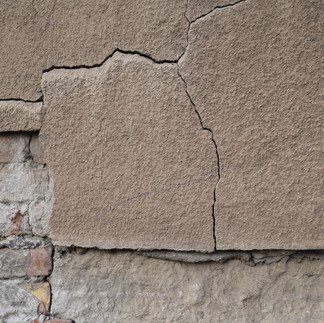


These aren’t about design—they’re about credibility.
They signal that the home has been maintained with integrity, which protects your price floor and builds trust before the first showing.
People can’t fall in love with a property until they feel safe in it.
2. The Second Layer — Align with Persona
Once you’ve addressed risk, renovation becomes storytelling. This is where your earlier persona work comes in.
Knowing who’s most likely to buy your home gives every home improvement decision a clear purpose. You’re no longer updating “for resale”—you’re refining for someone.
If your likely buyer is a creator—someone looking for a project—focus on a clean, well-maintained canvas and avoid over-staging. Let potential shine through.
If your buyer is a pragmatist—seeking balance—refresh key surfaces like paint, flooring, and lighting. Neutral, cohesive finishes say “move-in ready” without excess cost.
If your buyer is a perfectionist—someone who values things feeling complete—focus on cohesion rather than overhaul. You don’t need to renovate the entire home; you just need to make sure what’s already done feels intentional and consistent.


When finishes, colours, and details flow naturally from room to room, buyers feel that same sense of ease. Even small adjustments—matching hardware, unified lighting, or fresh paint—can bring harmony to what’s already there. The key is to choose one lane and express it as fully as possible.
Renovate to build trust, then tailor to persona.
Risk reduction earns attention; persona alignment earns desire.
3. The Human Layer
There’s also a quieter truth here: renovations aren’t just about preparing a space for someone else. They’re part of your own story too.
Many sellers find that repairing, painting, or refreshing their home becomes a way of honouring the years they’ve spent in it—a small act of closure before passing it on. The process isn’t just practical; it’s reflective.

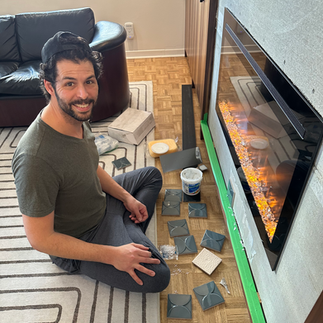

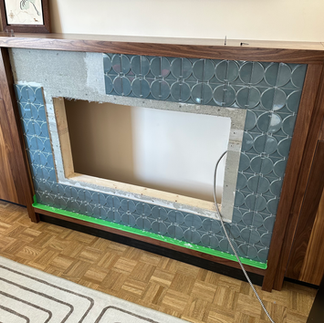


A personal project: Renovation of our 1970s Brutalist apartment in Ottawa. We wanted to do the place justice and tie in the past. The geometric tile and walnut finishes pick up on the late mid-century aesthetic of our building. Despite the challenges, I really enjoyed working on this project myself!
When you renovate with empathy—thinking about your buyer while acknowledging your own chapter—you create something rare in real estate: a space that feels cared for by one person and ready to be cared for by another.
4. The Takeaway
Every pre-sale renovation decision can be traced back to two simple questions:
Does this build trust?
Does this align with the right buyer’s story?
If you can answer yes to both, you’re not just renovating strategically—you’re communicating clearly—and setting your home apart in a competitive Vancouver real estate market.

Comments